The Illusion of Control

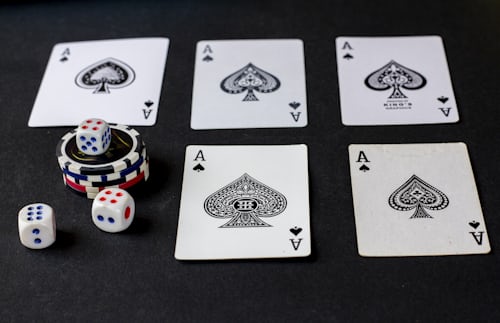
This illusion can be further intensified by the way games are designed. For instance, in slot machines, players might perceive that they can determine their fate by pressing the button at just the right moment. This sense of agency can lead players to continue gaming longer than they initially intended, reinforcing their desire to play “just one more round.”
The Use of Near Wins
Casinos often incorporate a strategy called “near wins,” where players come close to winning but fall short. This technique can be incredibly effective at keeping players engaged, as the thrill of almost winning can be more compelling than the actual reward. When a player hits a combination that is just shy of a jackpot, the brain responds with a rush of excitement, prompting them to continue playing in hopes of that elusive victory.
Experts suggest that near wins trigger similar responses in the brain as actual wins, reinforcing the desire to chase the next spin or hand. This psychological phenomenon can lead players to stick around in a losing streak, convinced that their next play will bring them the success they crave.
The Environment of Enticement
The physical environment of a casino is meticulously crafted to keep players engaged. From the bright lights and vibrant colors to the carefully selected music, every detail is designed to create an enticing atmosphere. Studies have shown that certain sounds and visual stimuli can influence gambling behavior, making players feel more relaxed and inclined to spend more time and money.
This design extends to the layout of the casino floor, where the placement of machines and tables encourages movement and exploration. The absence of clocks and windows also plays a significant role in disorienting players, making them lose track of time. This sensory overload helps ensure that players remain captivated and engaged, often leading to extended play sessions.
Social Proof and Peer Pressure
Another psychological tactic used by casinos is the harnessing of social proof and peer pressure. The presence of other players can create a sense of excitement and urgency, encouraging individuals to join in and participate. Seeing others win can evoke envy and the desire to be part of the action, prompting players to continue gambling.
Casinos often use this tactic in their marketing and promotions, showcasing winners and highlighting success stories to draw in new players. When individuals perceive that others are winning, they may believe that the same could happen for them, which can lead to longer gaming sessions as they seek to replicate those victories.